6 DAYS IN THE LUBERON: A GUIDE TO PROVENCE'S MOST BEAUTIFUL VILLAGES

There is a Provence that we carry within us even before ever having been there. 

The Provence of hilltop villages, bountiful markets and landscapes bathed in light. The Luberon is that very Provence. Untouched, tucked away, steadfastly preserved. To discover it is to follow a road lined with vineyards without knowing where it leads, to sit at a table that honours the terroir, to hike through the vast landscape and to savour a glass of wine at sunset. 

This six-day itinerary to explore the Luberon has been designed with this in mind – unhurried, balancing exploration and moments of quiet. A journey to understand the Provençal way of life without explaining it. By living it. Just like that. 

There is a Provence that we carry within us even before ever having been there. 

The Provence of hilltop villages, bountiful markets and landscapes bathed in light. The Luberon is that very Provence. Untouched, tucked away, steadfastly preserved. To discover it is to follow a road lined with vineyards without knowing where it leads, to sit at a table that honours the terroir, to hike through the vast landscape and to savour a glass of wine at sunset. 

This six-day itinerary to explore the Luberon has been designed with this in mind – unhurried, balancing exploration and moments of quiet. A journey to understand the Provençal way of life without explaining it. By living it. Just like that. 

DAY 1 – ARRIVING IN THE LUBERON, DISCOVERING BONNIEUX

At Capelongue: a first taste of the Luberon landscape  

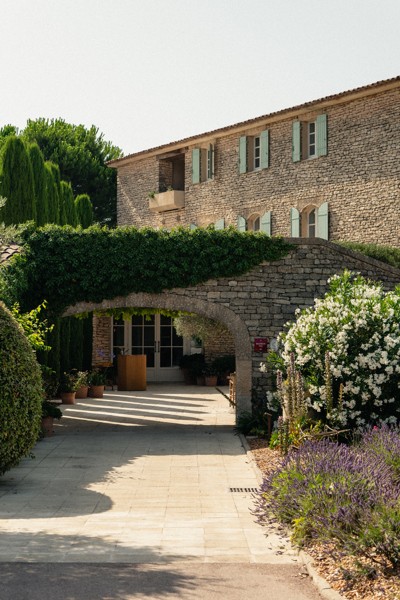
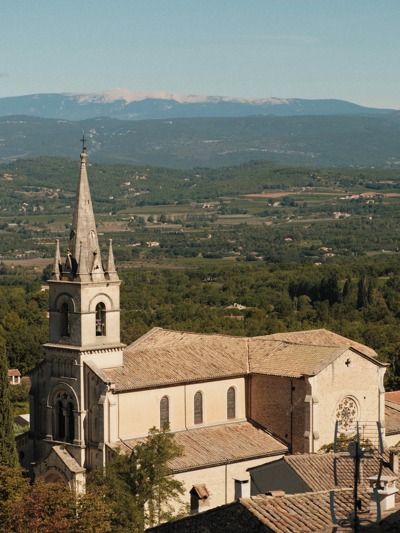
The road climbs gently. The hills rise and fall. Before you know it, Bonnieux comes into view, perched above the Luberon, its silhouette standing out clearly against the blue sky. You have to climb a little further, making your way through the village to reach Capelongue and its large, fragrant gardens. Provence announces itself the moment you set down your bags: serene, radiant and welcoming. A first coffee on the terrace of La Bergerie is a must. And your gaze is immediately captivated: Bonnieux right in front of you, its terraced tiled roofs and the Luberon stretching as far as the eye can see. A mesmerising, almost intoxicating panorama. Naturally, the urge to explore takes hold. The cobbled streets, the houses huddled close together, the warm stone beneath your feet. The sing-song lilt of voices drifting from a street corner. The fashion and interior design boutiques, elegant and understated. The boules court near the church below the village. The sunlight on golden façades. The Luberon begins here, in those details that add up to what you had always imagined: the gentle Provençal way of life. 
Find stillness in Provence, at Capelongue

At Capelongue: a first taste of the Luberon landscape  

The road climbs gently. The hills rise and fall. Before you know it, Bonnieux comes into view, perched above the Luberon, its silhouette standing out clearly against the blue sky. You have to climb a little further, making your way through the village to reach Capelongue and its large, fragrant gardens. Provence announces itself the moment you set down your bags: serene, radiant and welcoming. A first coffee on the terrace of La Bergerie is a must. And your gaze is immediately captivated: Bonnieux right in front of you, its terraced tiled roofs and the Luberon stretching as far as the eye can see. A mesmerising, almost intoxicating panorama. Naturally, the urge to explore takes hold. The cobbled streets, the houses huddled close together, the warm stone beneath your feet. The sing-song lilt of voices drifting from a street corner. The fashion and interior design boutiques, elegant and understated. The boules court near the church below the village. The sunlight on golden façades. The Luberon begins here, in those details that add up to what you had always imagined: the gentle Provençal way of life.  Find stillness in Provence, at Capelongue

Stone entrance with lavender and flowering garden at the Beaumier hotel Capelongue in Bonnieux, Luberon

Late morning: tasting of AOP Luberon wines at Château de Mille

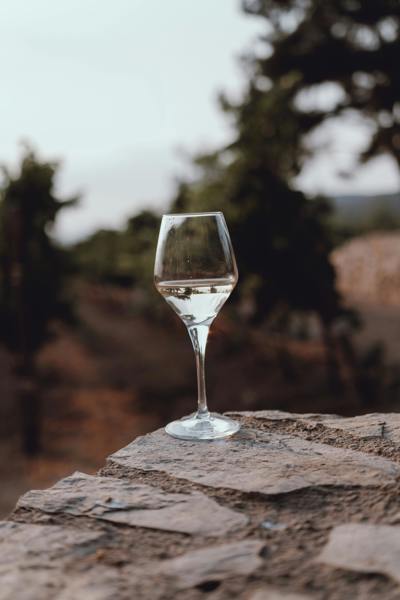
It’s a gentle ride by electric bike from the hotel to Château de Mille. Vineyards stretch out on either side, young shoots glistening in the sun. This magnificent estate is one of the oldest in the Luberon: the first written records date back to 1238, although vines were probably cultivated here long before that. Carefully restored, it upholds a long winemaking tradition. The tasting is a special opportunity to discover AOP Luberon wines and learn how this limestone terroir, shaped by the Provençal light and climate, finds expression in the glass. 
Wine tasting at Château de Mille, Apt

Midday: truffle lunch with panoramic views in Ménerbes

Continue by bike along the old Bonnieux road as far as the hilltop village of Ménerbes, one of the jewels of the Luberon. The 17th-century Hôtel d’Astier de Montfaucon on Place de l’Horloge is home to La Maison de la Truffe et du Vin, a refined establishment dedicated to Provence’s ‘black gold’. Its panoramic terrace overlooks the hills and offers the perfect setting for your first lunch. The menu celebrates the Luberon truffle – known locally as ‘rabasse’ – featuring fragrant mini croque-monsieurs, creamy linguine and light and fluffy scrambled eggs. Every bite is paired with carefully selected wines to bring out the full richness of the Provençal terroir. Before you leave, take the time to browse in the shop brimming with local produce, so you can take a little piece of the Luberon home with you. 
Lunch in Ménerbes 

Late morning: tasting of AOP Luberon wines at Château de Mille

It’s a gentle ride by electric bike from the hotel to Château de Mille. Vineyards stretch out on either side, young shoots glistening in the sun. This magnificent estate is one of the oldest in the Luberon: the first written records date back to 1238, although vines were probably cultivated here long before that. Carefully restored, it upholds a long winemaking tradition. The tasting is a special opportunity to discover AOP Luberon wines and learn how this limestone terroir, shaped by the Provençal light and climate, finds expression in the glass.  Wine tasting at Château de Mille, Apt

Midday: truffle lunch with panoramic views in Ménerbes

Continue by bike along the old Bonnieux road as far as the hilltop village of Ménerbes, one of the jewels of the Luberon. The 17th-century Hôtel d’Astier de Montfaucon on Place de l’Horloge is home to La Maison de la Truffe et du Vin, a refined establishment dedicated to Provence’s ‘black gold’. Its panoramic terrace overlooks the hills and offers the perfect setting for your first lunch. The menu celebrates the Luberon truffle – known locally as ‘rabasse’ – featuring fragrant mini croque-monsieurs, creamy linguine and light and fluffy scrambled eggs. Every bite is paired with carefully selected wines to bring out the full richness of the Provençal terroir. Before you leave, take the time to browse in the shop brimming with local produce, so you can take a little piece of the Luberon home with you.  Lunch in Ménerbes 

Provençal wine tasting in the Luberon countryside near the Beaumier hotel Capelongue

Afternoon: a walk along the Ochre Trail and through the village of Roussillon

Roussillon is a must-see at least once in a lifetime. There are no dull or grey tones here – only colour. The red, orange, saffron and terracotta façades form a palette patiently crafted by nature. Listed among the most beautiful villages in France, Roussillon reveals itself through narrow streets winding up to a church that crowns the hilltop, with breathtaking panoramic views that stay with you long after you've left. 
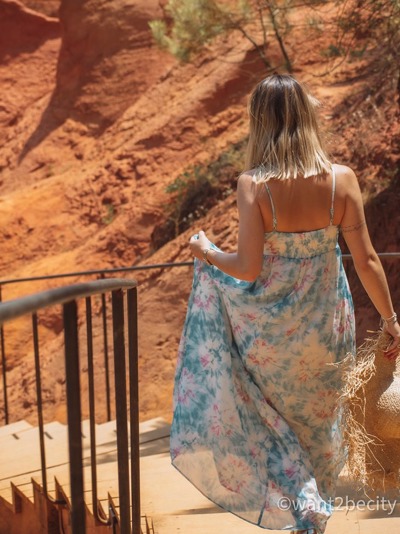
The Ochre Trail winds through the old quarries, where the rock rises in columns sculpted by erosion. Under an intense blue sky, the air, heavy with the scent of warm earth and broom, fills the senses. The natural ochre formations are truly eye-catching, and every step through this iconic Luberon landscape stills you into quiet contemplation. 
Live the landscape

Afternoon: a walk along the Ochre Trail and through the village of Roussillon

Roussillon is a must-see at least once in a lifetime. There are no dull or grey tones here – only colour. The red, orange, saffron and terracotta façades form a palette patiently crafted by nature. Listed among the most beautiful villages in France, Roussillon reveals itself through narrow streets winding up to a church that crowns the hilltop, with breathtaking panoramic views that stay with you long after you've left.  The Ochre Trail winds through the old quarries, where the rock rises in columns sculpted by erosion. Under an intense blue sky, the air, heavy with the scent of warm earth and broom, fills the senses. The natural ochre formations are truly eye-catching, and every step through this iconic Luberon landscape stills you into quiet contemplation.  Live the landscape

Exploring the ochre cliffs of Roussillon in the Luberon, near the Beaumier hotel Capelongue

Late afternoon: relaxation at Capelongue

Back at the hotel, let the late afternoon envelop you. Make the most of it – the moment is yours: a few laps in the heated pool, a game of padel, a spa session… Capelongue is made for this too: the gentle luxury of having nothing urgent to do. 
Pamper yourself in Bonnieux

Evening: Michelin-starred dinner and sunset over the Luberon

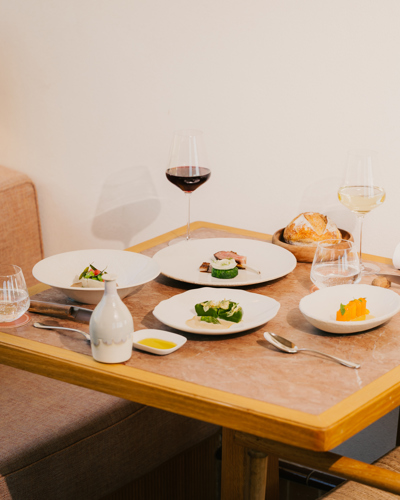
As the sinking sun sets the rooftops of Bonnieux ablaze, it’s time to head to La Bastide, Capelongue’s Michelin-starred restaurant. The evening begins with an aperitif on the terrace, with the Petit Luberon on the horizon. Inside, settle in for a culinary experience to be savoured as much with the eyes as with the palate. Noël Bérard offers a cuisine of the moment, deeply rooted in the local terroir: Sorgue trout confit, pearly Mediterranean langoustines, Roussillon snails with pastis. His cooking is precise, his flavours perfectly balanced – the mark of restrained elegance. Once dinner is over, enjoy a final drink at La Bergerie, beneath the star-studded sky of the Luberon. Your first day in Provence draws gently to a close. 
A Michelin-starred dinner in Bonnieux

Late afternoon: relaxation at Capelongue

Back at the hotel, let the late afternoon envelop you. Make the most of it – the moment is yours: a few laps in the heated pool, a game of padel, a spa session… Capelongue is made for this too: the gentle luxury of having nothing urgent to do.  Pamper yourself in Bonnieux

Evening: Michelin-starred dinner and sunset over the Luberon

As the sinking sun sets the rooftops of Bonnieux ablaze, it’s time to head to La Bastide, Capelongue’s Michelin-starred restaurant. The evening begins with an aperitif on the terrace, with the Petit Luberon on the horizon. Inside, settle in for a culinary experience to be savoured as much with the eyes as with the palate. Noël Bérard offers a cuisine of the moment, deeply rooted in the local terroir: Sorgue trout confit, pearly Mediterranean langoustines, Roussillon snails with pastis. His cooking is precise, his flavours perfectly balanced – the mark of restrained elegance. Once dinner is over, enjoy a final drink at La Bergerie, beneath the star-studded sky of the Luberon. Your first day in Provence draws gently to a close.  A Michelin-starred dinner in Bonnieux

DAY 2 – HIKING AND HILLTOP VILLAGES

Morning: easy hikes through the cedar forest of the Petit Luberon

At La Bergerie, breakfast is served with a view of Bonnieux and its pink-hued rooftops. The buffet is bountiful, showcasing the best of Provence, from Sault to L’Isle-sur-la-Sorgue. A gentle start before heading up into the hills. By car, the road climbs towards the ridge of the Petit Luberon. As the altitude increases, the landscape opens up before you. Bonnieux comes into view below, in miniature: the village seen from the sky, in all its hidden beauty. 
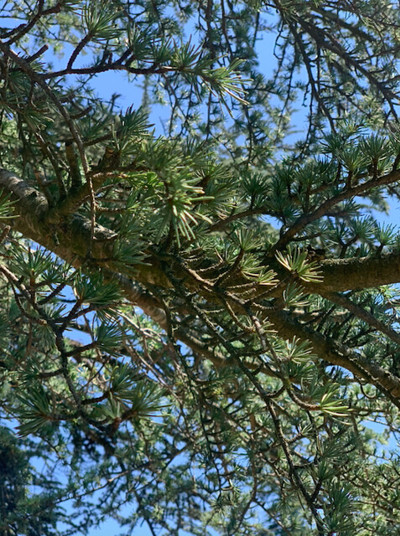
Higher up, the trees become sparser, then change. Atlas cedars take over – first a few, then dozens, then an entire forest. The air grows cooler. The shade is generous. The ground becomes soft beneath your feet, scented with humus and resin. It’s one of the most striking landscapes in the massif, unexpected, almost unreal. 
Two paths await, depending on your mood and the time of day: the Chemin des Cèdres – a gentle loop, dotted with educational panels about the flora and fauna – and the Sentier du Portalas. Three kilometres that wind down through the undergrowth, cross a shaded valley, then zigzag back up to the plateau. From there, the Durance valley spreads out below, the vast sky above. To the right, the Portalas Arch rises up, a rock formation carved by time with the precision of a skilled artisan. On the way back, you’ll see small dens made of sticks and branches along the trail. An invitation, perhaps. Why not build one for those who follow? 
A wander through the Luberon cedar forest

Morning: easy hikes through the cedar forest of the Petit Luberon

At La Bergerie, breakfast is served with a view of Bonnieux and its pink-hued rooftops. The buffet is bountiful, showcasing the best of Provence, from Sault to L’Isle-sur-la-Sorgue. A gentle start before heading up into the hills. By car, the road climbs towards the ridge of the Petit Luberon. As the altitude increases, the landscape opens up before you. Bonnieux comes into view below, in miniature: the village seen from the sky, in all its hidden beauty.  Higher up, the trees become sparser, then change. Atlas cedars take over – first a few, then dozens, then an entire forest. The air grows cooler. The shade is generous. The ground becomes soft beneath your feet, scented with humus and resin. It’s one of the most striking landscapes in the massif, unexpected, almost unreal.  Two paths await, depending on your mood and the time of day: the Chemin des Cèdres – a gentle loop, dotted with educational panels about the flora and fauna – and the Sentier du Portalas. Three kilometres that wind down through the undergrowth, cross a shaded valley, then zigzag back up to the plateau. From there, the Durance valley spreads out below, the vast sky above. To the right, the Portalas Arch rises up, a rock formation carved by time with the precision of a skilled artisan. On the way back, you’ll see small dens made of sticks and branches along the trail. An invitation, perhaps. Why not build one for those who follow?  A wander through the Luberon cedar forest

Cedar forest of Bonnieux in the Luberon, near the Beaumier hotel Capelongue

Midday: where to have lunch in the village of Bonnieux   

After a quick stop at Capelongue to drop off the car, the kilometre-long walk down to the village takes you along sun-warmed cobblestones. Once through the medieval gate, Rue Droite stretches out lined with beautiful houses, their flower-bedecked façades and shutters half-closed in the midday heat. Further down, Place Carnot opens up before you. Goût Bistrot is there on the square. A shaded terrace, a short and simple menu, and carefully sourced local produce. Chef Julien Allano reinterprets seasonal classics with flair. In front of the square, the galleries and boutiques go about their business, unhurried yet animated. Bonnieux brimming with life, while you take time for a lunch in the shade. 
Lunch in Bonnieux

Midday: where to have lunch in the village of Bonnieux   

After a quick stop at Capelongue to drop off the car, the kilometre-long walk down to the village takes you along sun-warmed cobblestones. Once through the medieval gate, Rue Droite stretches out lined with beautiful houses, their flower-bedecked façades and shutters half-closed in the midday heat. Further down, Place Carnot opens up before you. Goût Bistrot is there on the square. A shaded terrace, a short and simple menu, and carefully sourced local produce. Chef Julien Allano reinterprets seasonal classics with flair. In front of the square, the galleries and boutiques go about their business, unhurried yet animated. Bonnieux brimming with life, while you take time for a lunch in the shade.  Lunch in Bonnieux

Church and Luberon valley view from the perched village of Bonnieux, near the Beaumier hotel Capelongue

Afternoon: Gordes, iconic Luberon village  

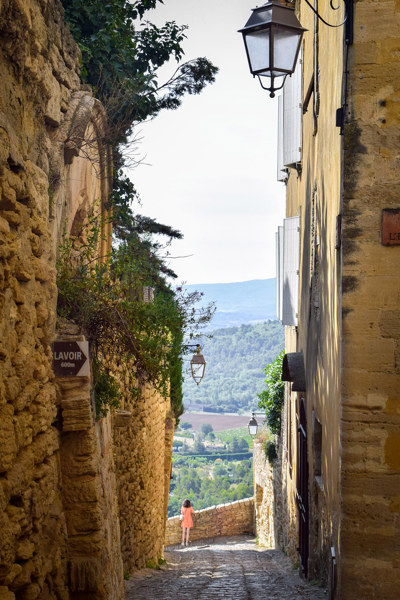
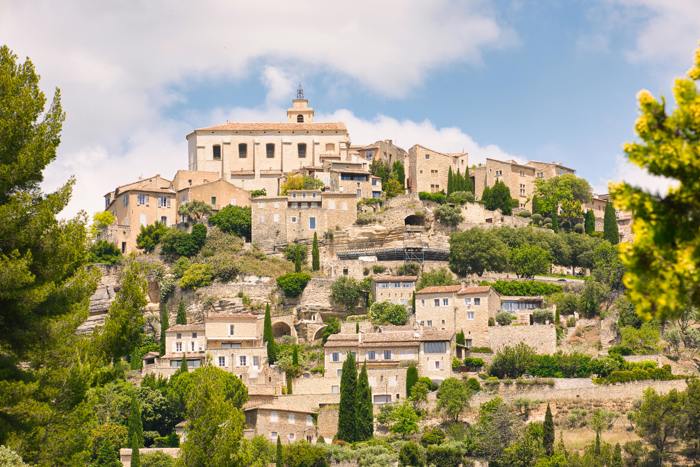
Whether you’re visiting Gordes for the first time or returning, the drive up the winding road is always a breathtaking experience. Gordes perches elegantly on a spur of pale limestone, looking out over the valley. The stone houses seem to be piled one on top of the other, as if the village had grown directly out of the rock. Through cobblestone streets winding between the ancient façades, the village reveals itself little by little. A shaded square here, a gallery tucked away over there, a terrace with a view further on, and always the château, steadfast and serene at the heart of Gordes. 
Beneath the village, another world is revealed. The Caves du Palais Saint-Firmin will draw you deep into the history of Gordes. This meticulously restored network of caves is home to oil mills, cisterns, silos and vaulted staircases carved into the rock. The cool air and quiet of the caves add a sense of secrecy to your visit. A fascinating exploration of the Luberon’s historical heritage. Even better, our concierge team can arrange a truly exclusive experience, including access to the caves and a rare opening of the owners’ private gardens with stunning valley views, rounded off with a wine tasting accompanied by a platter of appetisers in the garden. 
And to take the experience further, visual artist Aurore Chesseret runs creative workshops drawing on the region’s natural materials. Through plant and mineral elements, these creative sessions offer you a more intimate way of connecting with the local landscape. The Capelongue team can take care of booking any of these activities. 
Just a few kilometres away, a perfectly preserved valley is home to one of the most contemplative sites: Sénanque Abbey. Founded in 1148 and still inhabited by Cistercian monks, it is a place of profound calm and stillness. The abbey church, the cloister and the chapter house form an ensemble of striking simplicity. This 12th-century Cistercian monastery in Provence is one of the must-see historic sites around Gordes. 
A stroll around Gordes

Afternoon: Gordes, iconic Luberon village  

Whether you’re visiting Gordes for the first time or returning, the drive up the winding road is always a breathtaking experience. Gordes perches elegantly on a spur of pale limestone, looking out over the valley. The stone houses seem to be piled one on top of the other, as if the village had grown directly out of the rock. Through cobblestone streets winding between the ancient façades, the village reveals itself little by little. A shaded square here, a gallery tucked away over there, a terrace with a view further on, and always the château, steadfast and serene at the heart of Gordes.  Beneath the village, another world is revealed. The Caves du Palais Saint-Firmin will draw you deep into the history of Gordes. This meticulously restored network of caves is home to oil mills, cisterns, silos and vaulted staircases carved into the rock. The cool air and quiet of the caves add a sense of secrecy to your visit. A fascinating exploration of the Luberon’s historical heritage. Even better, our concierge team can arrange a truly exclusive experience, including access to the caves and a rare opening of the owners’ private gardens with stunning valley views, rounded off with a wine tasting accompanied by a platter of appetisers in the garden.  And to take the experience further, visual artist Aurore Chesseret runs creative workshops drawing on the region’s natural materials. Through plant and mineral elements, these creative sessions offer you a more intimate way of connecting with the local landscape. The Capelongue team can take care of booking any of these activities.  Just a few kilometres away, a perfectly preserved valley is home to one of the most contemplative sites: Sénanque Abbey. Founded in 1148 and still inhabited by Cistercian monks, it is a place of profound calm and stillness. The abbey church, the cloister and the chapter house form an ensemble of striking simplicity. This 12th-century Cistercian monastery in Provence is one of the must-see historic sites around Gordes.  A stroll around Gordes

Cobblestone alley and valley view in the perched village of Gordes, Luberon

Evening: pétanque and dinner cooked over a wood fire at La Bergerie

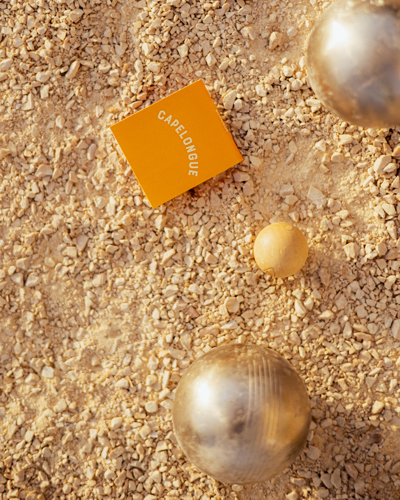
The drive back to Bonnieux takes you along the Luberon lanes, windows rolled down. The warm air carries the scents of oak and aromatic plants. In the gardens of Capelongue, the end of the day naturally calls for a game of pétanque. The boules roll across the gravel, movements becoming more and more precise: aiming, throwing, reading the terrain. A southern tradition that combines dexterity, concentration and shared enjoyment. For dinner, La Bergerie chef Mathieu Guivarch serves hearty cuisine rooted in the South and cooked over a wood fire. Creamy einkorn risotto, melt-in-the-mouth leg of lamb from Sisteron, pizza with black truffles from Provence… A homemade dessert buffet to round off on a sweet note, before a nightcap at the Capelongue Bar. Beneath the olive tree, the evening fades to the soft murmur of the fountain. The Luberon comes to rest, and night falls. 
A Provençal restaurant in Bonnieux


Evening: pétanque and dinner cooked over a wood fire at La Bergerie

The drive back to Bonnieux takes you along the Luberon lanes, windows rolled down. The warm air carries the scents of oak and aromatic plants. In the gardens of Capelongue, the end of the day naturally calls for a game of pétanque. The boules roll across the gravel, movements becoming more and more precise: aiming, throwing, reading the terrain. A southern tradition that combines dexterity, concentration and shared enjoyment. For dinner, La Bergerie chef Mathieu Guivarch serves hearty cuisine rooted in the South and cooked over a wood fire. Creamy einkorn risotto, melt-in-the-mouth leg of lamb from Sisteron, pizza with black truffles from Provence… A homemade dessert buffet to round off on a sweet note, before a nightcap at the Capelongue Bar. Beneath the olive tree, the evening fades to the soft murmur of the fountain. The Luberon comes to rest, and night falls.  A Provençal restaurant in Bonnieux


Pétanque game at the Beaumier hotel Capelongue in Bonnieux, Luberon

DAY 3 – OPPÈDE AND L'ISLE-SUR-LA-SORGUE, CAPITAL OF ANTIQUE DEALERS

Morning: Padel at Capelongue and a visit to Oppède-le-Vieux, a hilltop village in the Luberon

After breakfast, when the light is at its brightest, a game of padel in the gardens of Capelongue is a must. Playing outdoors in the morning, when the air is still cool and before the heat sets in, is a joy in itself – the thwack of the ball, the rallies one after another and the technique that takes shape. A simple, energetic warm-up to start the day before heading off again towards one of the Luberon’s most remarkable villages, Oppède-le-Vieux. 
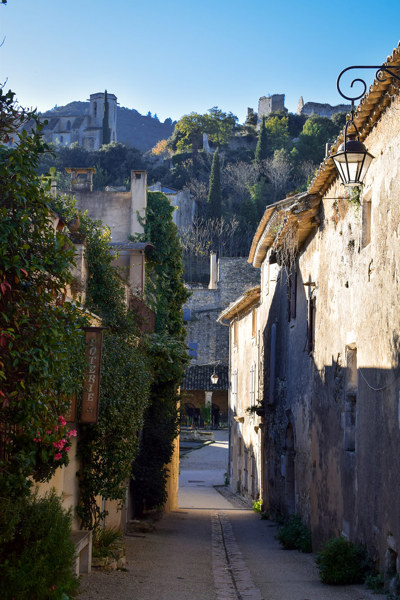
The village has two sides to explore: the vibrant modern centre and Oppède-le-Vieux above it. The walk uphill begins at the car park via the Terrasses Sainte-Cécile, a botanical garden where you can wander amongst the umbrella pines, holm oaks and Mediterranean plants. In the village, silence falls with each step – swallowed up by stone-paved streets, vaulted passageways, and wild fig trees pushing through the walls. The old houses – some restored, others still open to the sky – reveal a secret, stone-hewn side of Provence. At the very top, the Notre-Dame Dalidon collegiate church and the ruins of the medieval castle preside over the valley. On the other side, the view stretches as far as the mountain ridges. The Luberon is so close you could touch it. 
From hilltop villages to must-see spots with Beaumier in Provence

Morning: Padel at Capelongue and a visit to Oppède-le-Vieux, a hilltop village in the Luberon

After breakfast, when the light is at its brightest, a game of padel in the gardens of Capelongue is a must. Playing outdoors in the morning, when the air is still cool and before the heat sets in, is a joy in itself – the thwack of the ball, the rallies one after another and the technique that takes shape. A simple, energetic warm-up to start the day before heading off again towards one of the Luberon’s most remarkable villages, Oppède-le-Vieux.  The village has two sides to explore: the vibrant modern centre and Oppède-le-Vieux above it. The walk uphill begins at the car park via the Terrasses Sainte-Cécile, a botanical garden where you can wander amongst the umbrella pines, holm oaks and Mediterranean plants. In the village, silence falls with each step – swallowed up by stone-paved streets, vaulted passageways, and wild fig trees pushing through the walls. The old houses – some restored, others still open to the sky – reveal a secret, stone-hewn side of Provence. At the very top, the Notre-Dame Dalidon collegiate church and the ruins of the medieval castle preside over the valley. On the other side, the view stretches as far as the mountain ridges. The Luberon is so close you could touch it.  From hilltop villages to must-see spots with Beaumier in Provence

Medieval street and ruins of Oppède-le-Vieux, perched village in the Luberon

Midday: Where to have lunch in Oppède-le-Vieux: a tasty break at Le Petit Café des Jeanne

At the foot of the village, on Place de la Croix, the tables at Le Petit Café des Jeanne are laid out in a simple, convivial setting. It’s the perfect spot for a relaxed and delicious break after a stroll through the narrow streets of Oppède. Drawing inspiration from the season’s bounty and produce from the market, the Café serves fresh, colourful dishes bursting with Southern flavours. It’s easy to tarry here, carried along by the village’s leisurely pace and the friendly atmosphere of the place – exactly what you’d hope for from a lunch in Provence. 
Lunch in Oppède-le-Vieux

Midday: Where to have lunch in Oppède-le-Vieux: a tasty break at Le Petit Café des Jeanne

At the foot of the village, on Place de la Croix, the tables at Le Petit Café des Jeanne are laid out in a simple, convivial setting. It’s the perfect spot for a relaxed and delicious break after a stroll through the narrow streets of Oppède. Drawing inspiration from the season’s bounty and produce from the market, the Café serves fresh, colourful dishes bursting with Southern flavours. It’s easy to tarry here, carried along by the village’s leisurely pace and the friendly atmosphere of the place – exactly what you’d hope for from a lunch in Provence.  Lunch in Oppède-le-Vieux

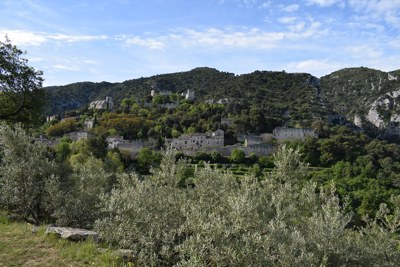
Panoramic view of Oppède-le-Vieux nestled in the Luberon hills, Provence

Afternoon: visit L'Isle-sur-la-Sorgue, the Provençal capital of antiques and art

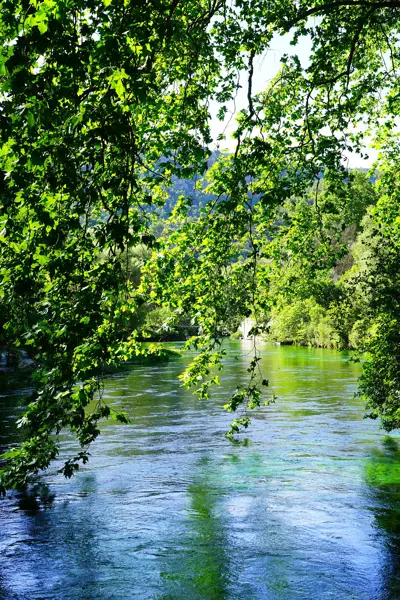
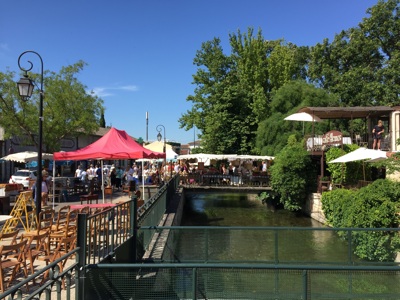
L'Isle-sur-la-Sorgue is a town shaped by water. Canals wind their way between the houses. The waterwheels turn slowly, covered in moss, oblivious to the passing of time. Light shimmers off every surface: on the glistening cobblestones, in the windows of the antiques shops along the waterfront. Nicknamed the ‘Venice of Provence’, the town is one of the world’s leading hubs for the antiques trade. Every weekend, bargain hunters, collectors and the simply curious flock to its narrow streets. You step into the antique shops without knowing what you’re looking for. You come out with something that has a history and which, inexplicably, seemed to be waiting for you. Beyond the antiques, the town proves to be a centre of art and creativity in its own right. L’Isle-sur-la-Sorgue’s art foundations and artist studios pepper the narrow streets. The Notre-Dame-des-Anges collegiate church, with its richly ornate Baroque interiors, is well worth a visit. And then there is the Sorgue itself: this remarkably clear, emerald green river that gives the town its character in Provence. 
By the water’s edge in L’Isle-sur-la-Sorgue


Afternoon: visit L'Isle-sur-la-Sorgue, the Provençal capital of antiques and art

L'Isle-sur-la-Sorgue is a town shaped by water. Canals wind their way between the houses. The waterwheels turn slowly, covered in moss, oblivious to the passing of time. Light shimmers off every surface: on the glistening cobblestones, in the windows of the antiques shops along the waterfront. Nicknamed the ‘Venice of Provence’, the town is one of the world’s leading hubs for the antiques trade. Every weekend, bargain hunters, collectors and the simply curious flock to its narrow streets. You step into the antique shops without knowing what you’re looking for. You come out with something that has a history and which, inexplicably, seemed to be waiting for you. Beyond the antiques, the town proves to be a centre of art and creativity in its own right. L’Isle-sur-la-Sorgue’s art foundations and artist studios pepper the narrow streets. The Notre-Dame-des-Anges collegiate church, with its richly ornate Baroque interiors, is well worth a visit. And then there is the Sorgue itself: this remarkably clear, emerald green river that gives the town its character in Provence.  By the water’s edge in L’Isle-sur-la-Sorgue


The Sorgue river in L'Isle-sur-la-Sorgue, Luberon, Provence

Evening: dinner at Le Vivier, Michelin-starred restaurant on the banks of the Sorgue

Enjoy your aperitif on the banks of the Sorgue. Where alders and willows bow over the water and the waterwheels turn. The air is warm, filled with that distinctive softness of Provençal evenings as the sun sinks lower and everything quietly slows to a gentler pace. At Le Vivier Restaurant, Michelin-starred since 2008, chef Romain Gandolphe serves creative, refined cuisine, rooted in the seasons and terroirs of the Vaucluse. The panoramic terrace overlooking the Sorgue adds the finishing touch. 
Then the drive back to Capelongue in the balmy night, windows wide open. The scent of vine and sun-warmed stone hangs in the air. The day slowly fades. 
Book your table at Le Vivier Restaurant, L'Isle-sur-la-Sorgue

Evening: dinner at Le Vivier, Michelin-starred restaurant on the banks of the Sorgue

Enjoy your aperitif on the banks of the Sorgue. Where alders and willows bow over the water and the waterwheels turn. The air is warm, filled with that distinctive softness of Provençal evenings as the sun sinks lower and everything quietly slows to a gentler pace. At Le Vivier Restaurant, Michelin-starred since 2008, chef Romain Gandolphe serves creative, refined cuisine, rooted in the seasons and terroirs of the Vaucluse. The panoramic terrace overlooking the Sorgue adds the finishing touch.  Then the drive back to Capelongue in the balmy night, windows wide open. The scent of vine and sun-warmed stone hangs in the air. The day slowly fades.  Book your table at Le Vivier Restaurant, L'Isle-sur-la-Sorgue

Sunday market along the Sorgue river in L'Isle-sur-la-Sorgue, Luberon, Provence

DAY 4 – TOWARDS THE SOUTHERN LUBERON AND THE VILLAGE OF LOURMARIN

Morning: yoga, light and a walk through the Combe de Lourmarin

The air here in the morning has a special quality. Pure, pleasantly cool and filled with a light that grazes the ground and makes every blade of grass glisten. Yoga sessions take place outdoors, on the yoga deck, weather permitting. The body stretches. The mind stills. 
After breakfast, your route heads south through the Combe de Lourmarin, a spectacular natural passageway cutting through the Luberon massif. Over the centuries, the River Aiguebrun has carved out this deep gorge that separates the Petit Luberon from the Grand Luberon. The road winds through this cool, rocky landscape before opening out onto the southern Luberon, a gentler, more agricultural landscape: rows of vines, almond orchards and olive trees with silvery leaves herald your arrival in Lourmarin, one of the most picturesque villages in the Luberon. 
Discover Provence with Beaumier

Morning: yoga, light and a walk through the Combe de Lourmarin

The air here in the morning has a special quality. Pure, pleasantly cool and filled with a light that grazes the ground and makes every blade of grass glisten. Yoga sessions take place outdoors, on the yoga deck, weather permitting. The body stretches. The mind stills.  After breakfast, your route heads south through the Combe de Lourmarin, a spectacular natural passageway cutting through the Luberon massif. Over the centuries, the River Aiguebrun has carved out this deep gorge that separates the Petit Luberon from the Grand Luberon. The road winds through this cool, rocky landscape before opening out onto the southern Luberon, a gentler, more agricultural landscape: rows of vines, almond orchards and olive trees with silvery leaves herald your arrival in Lourmarin, one of the most picturesque villages in the Luberon.  Discover Provence with Beaumier

Outdoor yoga session in the gardens of the Beaumier hotel Capelongue in Bonnieux, Luberon

Midday: arrival in Lourmarin, settling in at Le Moulin

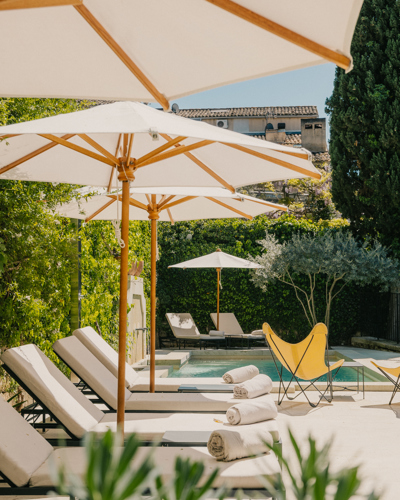
In Lourmarin, opposite the watchful château, stands Le Moulin, a former oil mill converted into a hotel in the heart of the Luberon. From the moment you step into the lobby, the essence of Provence unfolds in the stone and terracotta tiles, sisal flooring, fabrics in sunny hues… so many details that you’ll never want to leave. In the garden or by the pool, the day begins gently: a few moments by the water, a book, or simply the sight of the façades gilded by the Provençal sun. 
For lunch, Les Commissions, the hotel’s café-épicerie, is the ideal choice. Settle onto the terrace, just steps from the fountain, and enjoy a grilled piadina, a specialty coffee or a freshly squeezed juice – simple Provençal pleasures. Locals pass by and say hello; visitors stop and stay a while longer. Inside, the shelves are teeming with treasures: organic olive oils, AOP Luberon wines from neighbouring estates, postcards, Beaumier scarves and little gifts to take away. Just the first fragments of Provence to slip into your bag before setting off to explore the narrow streets and the sun glinting off the centuries-old stones. 
Live the Provençal life at Le Moulin, Lourmarin

Midday: arrival in Lourmarin, settling in at Le Moulin

In Lourmarin, opposite the watchful château, stands Le Moulin, a former oil mill converted into a hotel in the heart of the Luberon. From the moment you step into the lobby, the essence of Provence unfolds in the stone and terracotta tiles, sisal flooring, fabrics in sunny hues… so many details that you’ll never want to leave. In the garden or by the pool, the day begins gently: a few moments by the water, a book, or simply the sight of the façades gilded by the Provençal sun.  For lunch, Les Commissions, the hotel’s café-épicerie, is the ideal choice. Settle onto the terrace, just steps from the fountain, and enjoy a grilled piadina, a specialty coffee or a freshly squeezed juice – simple Provençal pleasures. Locals pass by and say hello; visitors stop and stay a while longer. Inside, the shelves are teeming with treasures: organic olive oils, AOP Luberon wines from neighbouring estates, postcards, Beaumier scarves and little gifts to take away. Just the first fragments of Provence to slip into your bag before setting off to explore the narrow streets and the sun glinting off the centuries-old stones.  Live the Provençal life at Le Moulin, Lourmarin

Poolside sun loungers and parasols at the Beaumier hotel Le Moulin in Lourmarin, Luberon

Afternoon: a stroll through Lourmarin, village of art and creativity in the Luberon

Lourmarin isn’t somewhere you simply visit. It’s a place you wander through, slowly, following the winding cobblestone streets and flower-adorned facades. Nestled at the foot of the Luberon among vineyards, olive groves and almond trees, the village has always held a special allure for sensitive souls. Albert Camus wrote here, lived here, and was laid to rest here. As was Henri Bosco. It’s no coincidence – there is something in the air in Lourmarin that lends itself to reflection, to creativity, to observing the world with more attention. 
Artisan workshops, art and ceramics galleries, bookshops – everything here beckons you to pause. Colours change from one shop window to the next. Textures tell their story. The fragrances of Provence hang softly in the air. This is the way to explore the village, with no set itinerary, just letting your eyes linger on the details – an antique ironwork, a pot of geraniums on a windowsill, a pair of rain boots pointing the way to a bookshop, the sun’s rays streaming through an alleyway and striking a façade with full intensity. Among the most inspiring places to stop, the Terra Mea art ceramics gallery is well worth a visit. Our concierge service can arrange a class for you right there in the gallery, offering a wonderful creative experience in the heart of the village. 
Just a short distance from the centre, the Château de Lourmarin is a must-see. A Renaissance jewel in Provence, it features lavishly furnished interiors and collections spanning the 15th to the 19th centuries. The castle has a regular programme of concerts and events – the team at Le Moulin can provide information on unmissable dates. 
To round off the afternoon, head to Le Galinier. The 18th-century country house from Beaumier’s collection opens onto a large landscaped park where centuries-old yew trees cast their long shadows in the golden evening light. An aperitif, a platter of tasty local products, and a game of pétanque under the trees. The soft clack of boules. The quiet clink of glasses. This is the gentle way of life in Provence – simple, elegant and effortless. 
Through the narrow streets of Lourmarin

Afternoon: a stroll through Lourmarin, village of art and creativity in the Luberon

Lourmarin isn’t somewhere you simply visit. It’s a place you wander through, slowly, following the winding cobblestone streets and flower-adorned facades. Nestled at the foot of the Luberon among vineyards, olive groves and almond trees, the village has always held a special allure for sensitive souls. Albert Camus wrote here, lived here, and was laid to rest here. As was Henri Bosco. It’s no coincidence – there is something in the air in Lourmarin that lends itself to reflection, to creativity, to observing the world with more attention.  Artisan workshops, art and ceramics galleries, bookshops – everything here beckons you to pause. Colours change from one shop window to the next. Textures tell their story. The fragrances of Provence hang softly in the air. This is the way to explore the village, with no set itinerary, just letting your eyes linger on the details – an antique ironwork, a pot of geraniums on a windowsill, a pair of rain boots pointing the way to a bookshop, the sun’s rays streaming through an alleyway and striking a façade with full intensity. Among the most inspiring places to stop, the Terra Mea art ceramics gallery is well worth a visit. Our concierge service can arrange a class for you right there in the gallery, offering a wonderful creative experience in the heart of the village.  Just a short distance from the centre, the Château de Lourmarin is a must-see. A Renaissance jewel in Provence, it features lavishly furnished interiors and collections spanning the 15th to the 19th centuries. The castle has a regular programme of concerts and events – the team at Le Moulin can provide information on unmissable dates.  To round off the afternoon, head to Le Galinier. The 18th-century country house from Beaumier’s collection opens onto a large landscaped park where centuries-old yew trees cast their long shadows in the golden evening light. An aperitif, a platter of tasty local products, and a game of pétanque under the trees. The soft clack of boules. The quiet clink of glasses. This is the gentle way of life in Provence – simple, elegant and effortless.  Through the narrow streets of Lourmarin

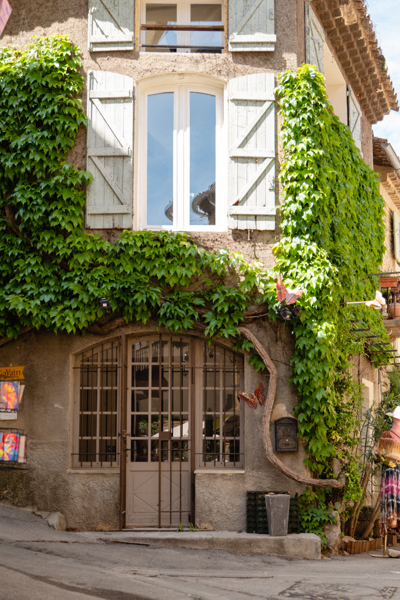
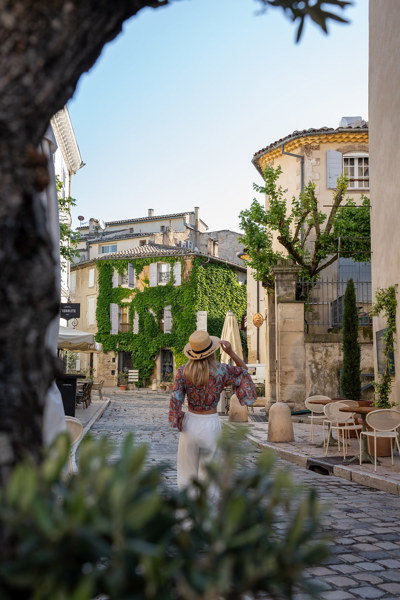
Ivy-covered facade in the village of Lourmarin, near the Beaumier hotel Le Moulin

Evening: dinner at Bacheto, the spirit of sharing at Le Moulin in Lourmarin

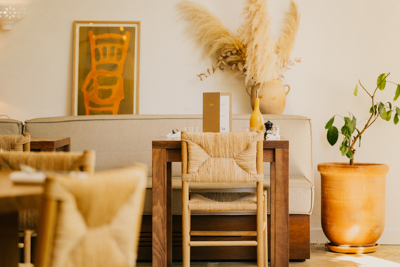
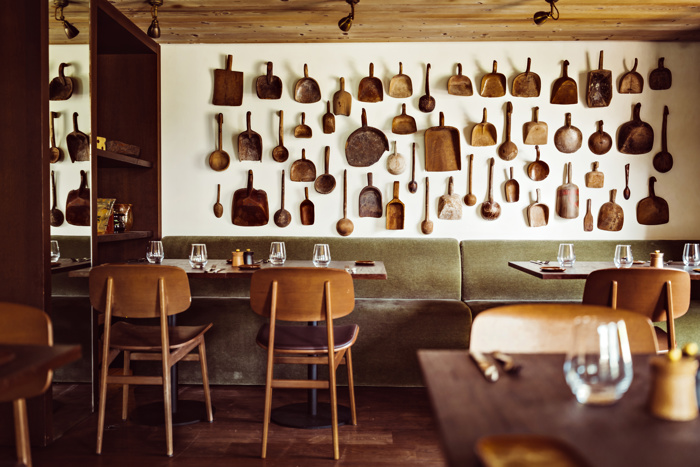
Dinner at Bacheto begins with the setting itself. The old vaulted hall of the 18th-century oil mill with its exposed stonework, or the large terrace beneath the olive tree. Dishes are placed in the centre of the table. Grilled focaccia, tapenade, citrusy octopus, burrata with apricots and courgettes, and mature olive oil that infuses everything with flavour. Glasses are filled. Conversation flows. It’s a shared dining experience in the most generous sense of the word, where the meal is just the beginning, and the evening always ends too soon. 
Book your table at Bacheto in Lourmarin

Evening: dinner at Bacheto, the spirit of sharing at Le Moulin in Lourmarin

Dinner at Bacheto begins with the setting itself. The old vaulted hall of the 18th-century oil mill with its exposed stonework, or the large terrace beneath the olive tree. Dishes are placed in the centre of the table. Grilled focaccia, tapenade, citrusy octopus, burrata with apricots and courgettes, and mature olive oil that infuses everything with flavour. Glasses are filled. Conversation flows. It’s a shared dining experience in the most generous sense of the word, where the meal is just the beginning, and the evening always ends too soon.  Book your table at Bacheto in Lourmarin

Warm and natural interior of Bacheto restaurant at the Beaumier hotel Le Moulin in Lourmarin

DAY 5 — HILLTOP VILLAGES IN THE SOUTHERN LUBERON

Morning: Lauris and the dye plant gardens, a hilltop village in the Southern Luberon

The road winds down towards the Durance river. Lauris comes into view, perched atop a rocky outcrop. The narrow streets climb up towards the castle. Behind its walls, the historic terraces are home to the Jardins Conservatoires des Plantes Tinctoriales, botanical gardens that are entirely devoted to the cultivation and conservation of dye plants. These are plants that have been used to colour fabrics and paintings since ancient times, brought together here in a garden unlike any other in Europe. Below, the orchards, the valley and the sparkling Durance. A more private and deeply endearing side of Provence. 
Explore the Southern Luberon

Lunchtime: lunch at a local restaurant in the heart of the southern Luberon

Garrigue, on Boulevard des Platanes in Ansouis, is exactly where it should be. Clémence Bellemin and Nicolas Seibold have created a restaurant deeply rooted in the local area. Vegetables, meat, fish, cheese: every grower is named, every product traced, and the menu follows the seasons and the day’s deliveries. The dishes are beautiful, without the fuss. The flavours are bold, with occasional pairings that surprise rather than confuse. This is food cooked with joy, integrity and precision. Garrigue is one of those Luberon restaurants you weren’t looking for but can’t stop recommending. 
Book your table at Garrigue, Ansouis 

Morning: Lauris and the dye plant gardens, a hilltop village in the Southern Luberon

The road winds down towards the Durance river. Lauris comes into view, perched atop a rocky outcrop. The narrow streets climb up towards the castle. Behind its walls, the historic terraces are home to the Jardins Conservatoires des Plantes Tinctoriales, botanical gardens that are entirely devoted to the cultivation and conservation of dye plants. These are plants that have been used to colour fabrics and paintings since ancient times, brought together here in a garden unlike any other in Europe. Below, the orchards, the valley and the sparkling Durance. A more private and deeply endearing side of Provence.  Explore the Southern Luberon

Lunchtime: lunch at a local restaurant in the heart of the southern Luberon

Garrigue, on Boulevard des Platanes in Ansouis, is exactly where it should be. Clémence Bellemin and Nicolas Seibold have created a restaurant deeply rooted in the local area. Vegetables, meat, fish, cheese: every grower is named, every product traced, and the menu follows the seasons and the day’s deliveries. The dishes are beautiful, without the fuss. The flavours are bold, with occasional pairings that surprise rather than confuse. This is food cooked with joy, integrity and precision. Garrigue is one of those Luberon restaurants you weren’t looking for but can’t stop recommending.  Book your table at Garrigue, Ansouis 

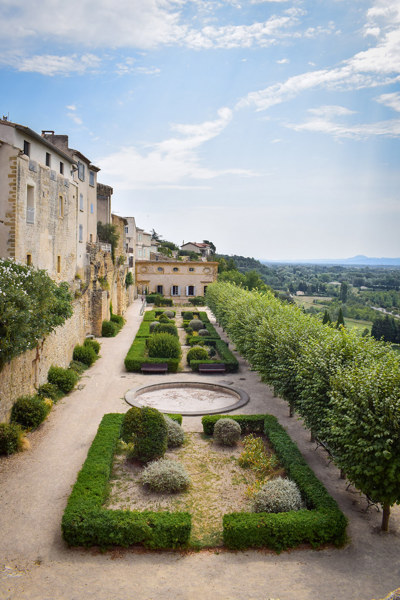
French formal gardens and valley view at Château de Lauris, Luberon, Provence

Afternoon: visit the most beautiful villages in the Southern Luberon – Cucuron and Ansouis

The Southern Luberon is best explored early in the day, when the light is still low and the villages belong only to those already there. 
In Cucuron, the plane tree-lined Étang is one of the region's most quietly beautiful sights. The water is still. The reflections barely ripple. Men drink coffee standing at the bar. Children run across the square. Life, just as it is, ordinary and perfect – Provence unfiltered, unaffected. The Saint-Michel keep overlooks Cucuron, commanding stunning views of the surrounding countryside. The 13th-century Church of Notre-Dame de Beaulieu exudes architectural serenity. 
The road then climbs towards Ansouis. Perched on its rocky hilltop and listed among the most beautiful villages in France, it possesses a discreet and rare charm. At the top, the castle stands watch, a sentinel girdled by boxwood overlooking the Aigues valley. The tour is led by the owners themselves, who carry on the work of past generations. A journey through time, from the Middle Ages to the present day, in the intimate setting of a family home where furniture and objects tell the story of life under the ‘Ancien Régime’. 
Explore the Southern Luberon

Evening: Where to dine in Lourmarin: L’Insolite brasserie in the heart of the village

In Lourmarin, the terraces fill up as the day draws to a close. At L’Insolite, the atmosphere is warm and relaxed. A village restaurant in the truest sense of the word: a place where you eat well, where time slips away and night falls over the warm stone before you know it. 
Book your table at L’Insolite, Lourmarin

Afternoon: visit the most beautiful villages in the Southern Luberon – Cucuron and Ansouis

The Southern Luberon is best explored early in the day, when the light is still low and the villages belong only to those already there.  In Cucuron, the plane tree-lined Étang is one of the region's most quietly beautiful sights. The water is still. The reflections barely ripple. Men drink coffee standing at the bar. Children run across the square. Life, just as it is, ordinary and perfect – Provence unfiltered, unaffected. The Saint-Michel keep overlooks Cucuron, commanding stunning views of the surrounding countryside. The 13th-century Church of Notre-Dame de Beaulieu exudes architectural serenity.  The road then climbs towards Ansouis. Perched on its rocky hilltop and listed among the most beautiful villages in France, it possesses a discreet and rare charm. At the top, the castle stands watch, a sentinel girdled by boxwood overlooking the Aigues valley. The tour is led by the owners themselves, who carry on the work of past generations. A journey through time, from the Middle Ages to the present day, in the intimate setting of a family home where furniture and objects tell the story of life under the ‘Ancien Régime’.  Explore the Southern Luberon

Evening: Where to dine in Lourmarin: L’Insolite brasserie in the heart of the village

In Lourmarin, the terraces fill up as the day draws to a close. At L’Insolite, the atmosphere is warm and relaxed. A village restaurant in the truest sense of the word: a place where you eat well, where time slips away and night falls over the warm stone before you know it.  Book your table at L’Insolite, Lourmarin

Strolling through the cobblestone streets of Lourmarin village, near the Beaumier hotel Le Moulin

DAY 6 – FINAL DISCOVERIES AND FAREWELLS

Morning: breakfast at Le Moulin, yoga and a final stroll through Lourmarin

The last morning begins gently, like all good things that know they must come to an end. 
At Le Moulin, breakfast is served in the vaulted dining room to the sounds of the hotel waking up, or on the terrace if the sun decides to shine. Artisanal jams by Laure and Alain Berlengue of Lourmarin, homemade granola, local cheeses, specialty coffees. Local produce that turns the first meal of the day into a celebration of the Provençal terroir. Then it’s off to Le Galinier for a final yoga session beneath the centuries-old yew trees. The grounds are silent, the light filtering through the branches. It’s the perfect moment to reflect on the calm, space and lightness this wellness retreat in Provence has left behind. On the way back, one final stroll through Lourmarin before setting off again. The shops are opening. The terraces are filling up. In the narrow streets and at Les Commissions, Le Moulin’s café-épicerie, you’ll find everything you need to bring a little piece of Provence home: AOP olive oil, local wines, Provençal boutis, lavender essential oil, handmade candles, candied fruit from Apt, Luberon honey. The finest products all in one place. 
Souvenirs from the Luberon

Morning: breakfast at Le Moulin, yoga and a final stroll through Lourmarin

The last morning begins gently, like all good things that know they must come to an end.  At Le Moulin, breakfast is served in the vaulted dining room to the sounds of the hotel waking up, or on the terrace if the sun decides to shine. Artisanal jams by Laure and Alain Berlengue of Lourmarin, homemade granola, local cheeses, specialty coffees. Local produce that turns the first meal of the day into a celebration of the Provençal terroir. Then it’s off to Le Galinier for a final yoga session beneath the centuries-old yew trees. The grounds are silent, the light filtering through the branches. It’s the perfect moment to reflect on the calm, space and lightness this wellness retreat in Provence has left behind. On the way back, one final stroll through Lourmarin before setting off again. The shops are opening. The terraces are filling up. In the narrow streets and at Les Commissions, Le Moulin’s café-épicerie, you’ll find everything you need to bring a little piece of Provence home: AOP olive oil, local wines, Provençal boutis, lavender essential oil, handmade candles, candied fruit from Apt, Luberon honey. The finest products all in one place.  Souvenirs from the Luberon

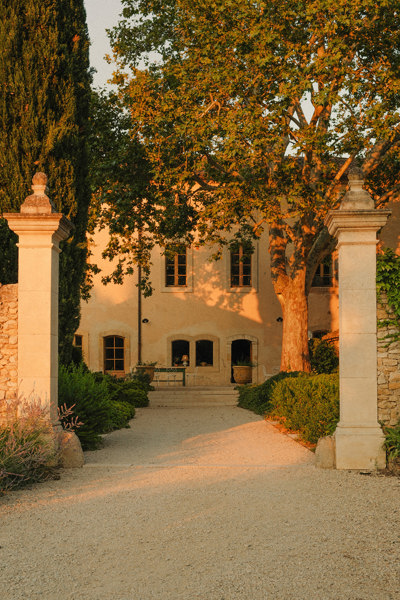
Golden hour at the entrance of Le Galinier, Beaumier villa in Lourmarin, Luberon

Late morning: visit an olive grove and discover AOP Provence olive oil at La Bastide du Laval

Head to La Bastide du Laval in Cadenet, a 30-hectare organic farm of olive groves, vineyards and woodland set within the stillness of the vast Provençal countryside. This is where Provence’s ‘green gold’ is produced. The guided tour of the olive grove and the oil mill reveals the secrets behind the exacting and dedicated production of AOP Provence organic olive oil. You will walk amongst the trees, learn to distinguish the varieties – Aglandau, Salonenque, Verdale – and understand why this ancient fruit lies at the heart of Provence’s identity and the full richness of its local cuisine. The introductory olive oil tasting that follows is a true lesson in sensory appreciation: colour in the glass, herbaceous or fruity aroma, texture, bitterness and finish. You may realise that you have never truly ‘tasted’ olive oil before. For those who wish to go further, there are also workshops to create your very own blend. A way to leave with a souvenir that perfectly encapsulates the spirit of this gourmet stay in Provence. 
The Green Gold of Provence

Late morning: visit an olive grove and discover AOP Provence olive oil at La Bastide du Laval

Head to La Bastide du Laval in Cadenet, a 30-hectare organic farm of olive groves, vineyards and woodland set within the stillness of the vast Provençal countryside. This is where Provence’s ‘green gold’ is produced. The guided tour of the olive grove and the oil mill reveals the secrets behind the exacting and dedicated production of AOP Provence organic olive oil. You will walk amongst the trees, learn to distinguish the varieties – Aglandau, Salonenque, Verdale – and understand why this ancient fruit lies at the heart of Provence’s identity and the full richness of its local cuisine. The introductory olive oil tasting that follows is a true lesson in sensory appreciation: colour in the glass, herbaceous or fruity aroma, texture, bitterness and finish. You may realise that you have never truly ‘tasted’ olive oil before. For those who wish to go further, there are also workshops to create your very own blend. A way to leave with a souvenir that perfectly encapsulates the spirit of this gourmet stay in Provence.  The Green Gold of Provence

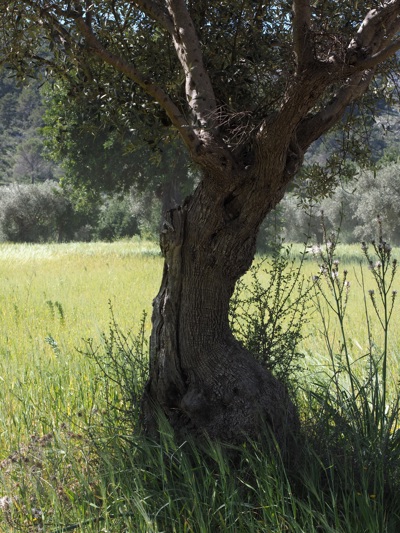
Ancient olive tree in a Provençal grove near the Beaumier hotels in Lourmarin, Luberon

Lunchtime: last lunch of your stay at Bacheto, Le Moulin’s restaurant in Lourmarin

It’s back to Le Moulin for your last lunch in Provence. In the vaulted dining room or on the terrace beneath the olive tree – the same stone walls, the same light, the same generosity on every plate at Bacheto. But something has changed. Time stretches between each bite. You try to hold on to the moment for as long as possible. 
Bacheto, a place for sharing in Lourmarin

Afternoon: farewell to the Luberon

One last look at the rooftops of Lourmarin. A final gaze at the captivating Luberon. At that blue sky that seems never to fade. 
The Luberon is a small region, but it leaves a lasting impression. It finds its way back into your dreams. You find yourself talking about it as if it were a secret you’d like to keep to yourself, yet one you can’t help but share. Because some iconic landscapes deserve to be seen. Some restaurants are worth discovering. Some sunsets in Provence are meant to be experienced together. 
This is not a farewell. It is a ‘till we meet again’. And somehow, you already know. The Luberon has that rare quality – it’s the kind of place you miss the moment you leave. 

Lunchtime: last lunch of your stay at Bacheto, Le Moulin’s restaurant in Lourmarin

It’s back to Le Moulin for your last lunch in Provence. In the vaulted dining room or on the terrace beneath the olive tree – the same stone walls, the same light, the same generosity on every plate at Bacheto. But something has changed. Time stretches between each bite. You try to hold on to the moment for as long as possible.  Bacheto, a place for sharing in Lourmarin

Afternoon: farewell to the Luberon

One last look at the rooftops of Lourmarin. A final gaze at the captivating Luberon. At that blue sky that seems never to fade.  The Luberon is a small region, but it leaves a lasting impression. It finds its way back into your dreams. You find yourself talking about it as if it were a secret you’d like to keep to yourself, yet one you can’t help but share. Because some iconic landscapes deserve to be seen. Some restaurants are worth discovering. Some sunsets in Provence are meant to be experienced together.  This is not a farewell. It is a ‘till we meet again’. And somehow, you already know. The Luberon has that rare quality – it’s the kind of place you miss the moment you leave. 

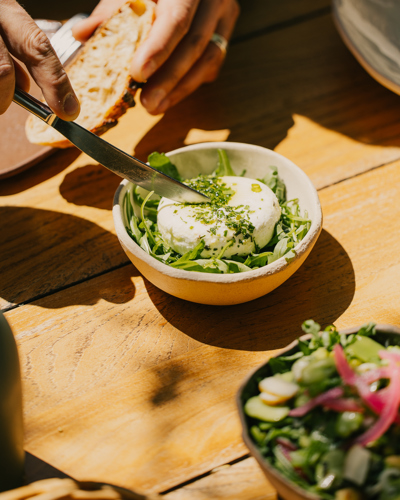
Fresh goat cheese and salad at Bacheto restaurant, Beaumier hotel Le Moulin in Lourmarin

BEAUMIER’S TIPS FOR YOUR STAY IN THE LUBERON

The season. Spring and autumn are the ideal times to visit the Luberon. The light is soft, and the villages take a breath. 

The right pace. A village in the morning, a meal at midday, a vineyard in the afternoon, a terrace at sunset. Don’t try to see everything: the Luberon is best savoured slowly. 

Getting around. A car is still essential. But some parts of the journey can be done on foot or by bike. Contact our teams to hire your transport. 

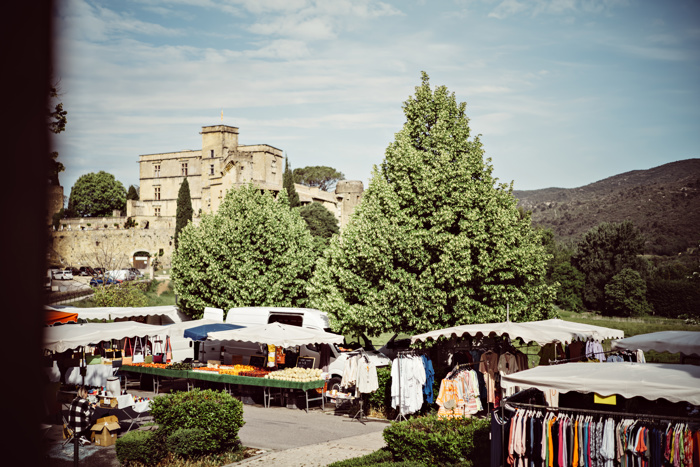
The markets. Lourmarin and Bonnieux on Fridays, Apt on Saturdays, L'Isle-sur-la-Sorgue on Sundays: three of the Luberon’s most beautiful Provençal markets, well worth including in your itinerary. 

Book in advance. The Luberon’s discreet little restaurants fill up fast once the season begins. Our teams will be happy to book you a table as soon as your stay is confirmed. 

Extend your stay. Five days are enough to discover this little region. But for those staying a week, there is still plenty to visit: more hilltop villages in the Luberon and many other must-see spots in Provence.

The season. Spring and autumn are the ideal times to visit the Luberon. The light is soft, and the villages take a breath. 

The right pace. A village in the morning, a meal at midday, a vineyard in the afternoon, a terrace at sunset. Don’t try to see everything: the Luberon is best savoured slowly. 

Getting around. A car is still essential. But some parts of the journey can be done on foot or by bike. Contact our teams to hire your transport. 

The markets. Lourmarin and Bonnieux on Fridays, Apt on Saturdays, L'Isle-sur-la-Sorgue on Sundays: three of the Luberon’s most beautiful Provençal markets, well worth including in your itinerary. 

Book in advance. The Luberon’s discreet little restaurants fill up fast once the season begins. Our teams will be happy to book you a table as soon as your stay is confirmed. 

Extend your stay. Five days are enough to discover this little region. But for those staying a week, there is still plenty to visit: more hilltop villages in the Luberon and many other must-see spots in Provence.

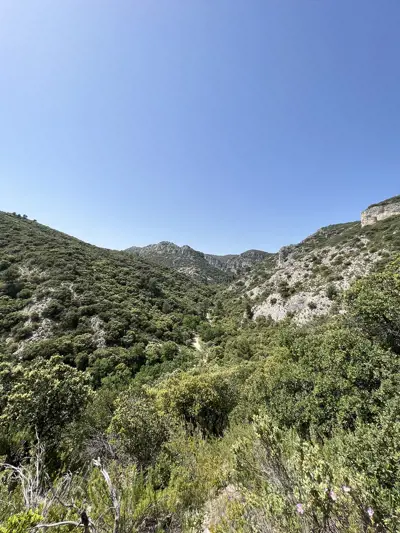
Wild Luberon landscape for hiking near the Beaumier hotels in Provence

You should know: once you’ve discovered the Luberon, you’ll never forget it. 

Book your stay in Provence with Beaumier.
You should know: once you’ve discovered the Luberon, you’ll never forget it. 
Book your stay in Provence with Beaumier.